Heritage & Listed Building Consultant, Westminster
Heritage & listed building consultant in Westminster.
Heritage planning in Westminster covers listed building consent, conservation area applications and works affecting the setting of designated assets across one of the most heavily protected planning environments in the UK.
Heritage planning in Westminster covers listed building consent, conservation area applications and works affecting the setting of designated assets across one of the most heavily protected planning environments in the UK.
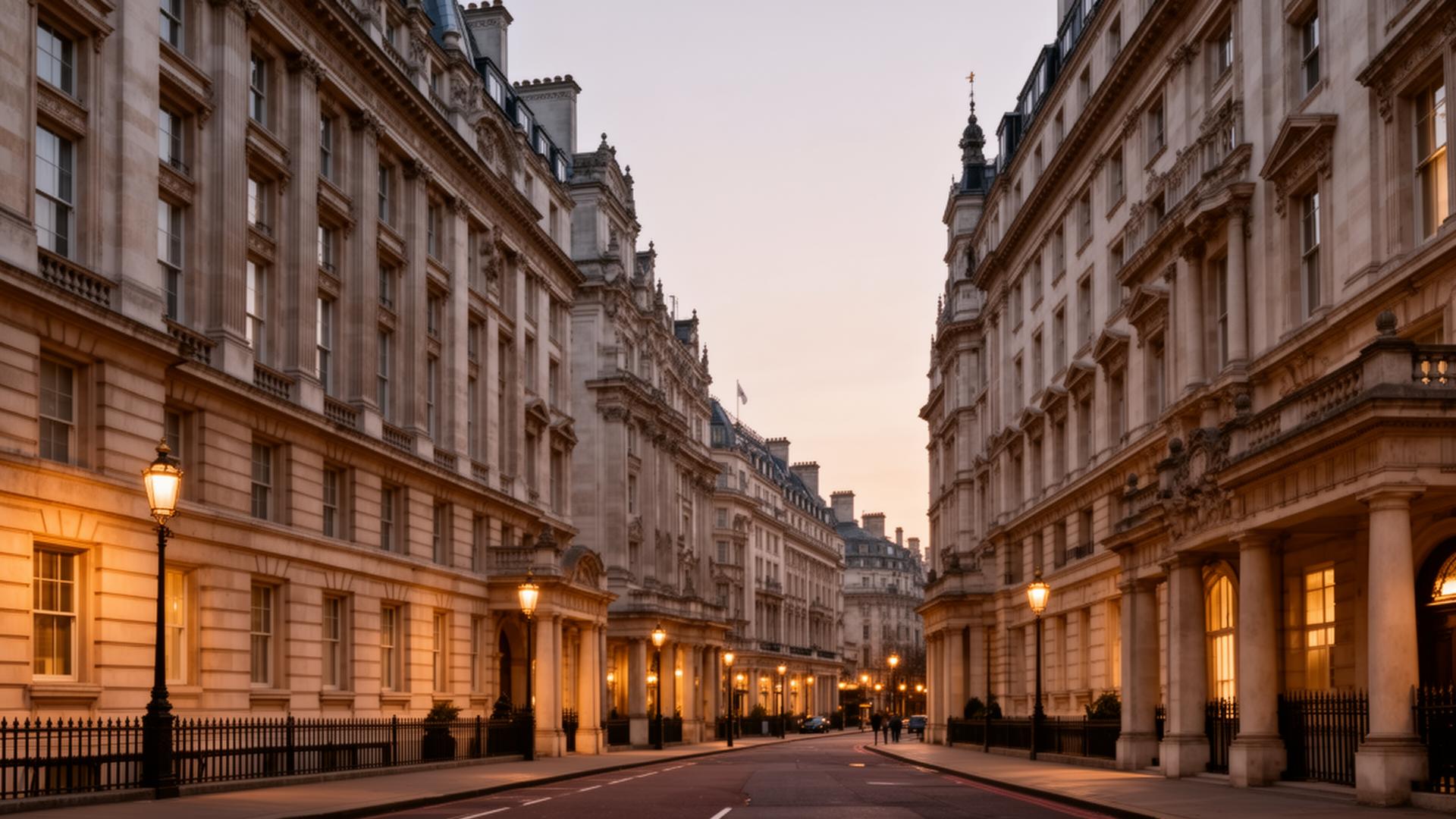
The City of Westminster contains over 11,000 listed buildings and more than 50 conservation areas, including Mayfair, Belgravia, Marylebone, Soho, Covent Garden and the Royal Parks. Westminster City Council operates a robust suite of supplementary planning documents and conservation area audits, and uses Article 4 directions extensively to control alterations that would otherwise be permitted development. Successful applications here depend on a thorough understanding of local character, careful evidencing of significance, and proposals that demonstrate genuine sensitivity to the historic fabric and townscape.
Key conservation areas
- Mayfair Conservation Area
- Belgravia Conservation Area
- Harley Street Conservation Area
- Soho Conservation Area
- Covent Garden Conservation Area
- Bayswater Conservation Area
- Pimlico Conservation Area
- Queen's Park Conservation Area
Article 4 directions
Westminster has Article 4 directions covering several conservation areas, removing permitted development rights for changes such as windows, doors, roof alterations, satellite dishes and front boundary treatments. Owners must apply for planning permission for works that would normally be permitted elsewhere, and proposals must respect the prevailing character documented in the relevant conservation area audit.
What are the most common listed building consent issues in Westminster?
- Replacement windows in stucco terraces, slim-profile double glazing and timber sash detailing
- Basement extensions under the Westminster Basement Development SPD
- Rear and roof extensions to listed townhouses
- Internal alterations affecting historic plan form, joinery and chimneypieces
- Plant, flues and air-conditioning equipment on listed buildings
- Shopfront alterations and signage in commercial conservation areas
- Reinstatement of historic features removed in the late 20th century
How does local policy in Westminster affect heritage proposals?
Applications are determined under the Planning (Listed Buildings and Conservation Areas) Act 1990, the National Planning Policy Framework (paragraphs 200–214), and Westminster's City Plan 2019–2040. Key local documents include the Basement Development SPD, the Westminster Repairs and Alterations Manual, and the relevant conservation area audits. Historic England guidance, particularly GPA 2 (Managing Significance) and GPA 3 (Setting), is cited routinely by Westminster's Design and Conservation team.
No-obligation quoteSenior consultant replyScoped per project48-hour response
New instruction
Get a Westminster heritage quote
Tell us about your Westminster project, a senior consultant will respond within 48 hours.
Senior consultant · Initial response within two working days · Scoped per project
Heritage projects delivered
Central London boroughs
Approval rate first time
Senior consultant response
Client Voices
What clients say about working with Vestige.
Vestige's heritage statement was the strongest part of our submission. Approved at first time of asking, the case officer specifically referenced the significance assessment.
Clear, commercially aware advice that helped us navigate a complex listed building consent without any drama. Senior input from start to finish.
Pre-app strategy that actually moved things forward. We had meaningful officer engagement within three weeks rather than three months.
Tactical, policy-grounded objection that the planning committee could not ignore. Senior input throughout.
Names abbreviated for client privacy · Full references on request
Westminster client
“Vestige's heritage statement engaged head-on with the plan-form changes Westminster's officer was likely to challenge. The case was approved at delegated level with no committee referral and no pre-commencement surprises.”
Marylebone listed terrace owner
Listed building consent · internal alterations
Listed building consent granted, eight weeks to decision
Westminster heritage planning FAQs
See more answers on the full FAQ page.
Westminster services
Specialist Westminster pages for each core service.
Westminster conservation areas, deep dives
Specialist guidance for each high-sensitivity Westminster conservation area.
Belgravia Conservation Area
Cream stucco façades, ironwork balconies, palisaded basement areas, mews behind each main terrace, and the great squares (Belgrave, Eaton, Chester). Westminster and the Grosvenor Estate jointly enforce a near-uniform external palette.
Mayfair Conservation Area
Mixed residential, commercial and embassy fabric, with strict controls on shopfronts, signage and roof additions. The setting of Berkeley, Grosvenor and Hanover Squares is particularly sensitive.
Marylebone Conservation Area
Brick terraces with stucco ground floors, mews behind, and a strong medical-commercial overlay on Harley Street and Wimpole Street. Estate covenants and Westminster controls operate in parallel.
Soho Conservation Area
Tight Georgian street grid, brick terraces with stucco ground floors, surviving timber shopfronts, theatre and venue frontages and a strong evening economy. Westminster treats shopfront, signage and roof alterations to a high standard.
Covent Garden Conservation Area
Inigo Jones's Piazza, the Market Building, brick and stucco terraces, surviving Georgian shopfronts and the setting of the Royal Opera House. Westminster and Historic England both review applications affecting the Piazza setting.
Pimlico Conservation Area
Cream stucco terraces, ironwork balconies, palisaded basement areas and the great squares (Eccleston, Warwick, St George's). Westminster enforces a near-uniform external palette.
Bayswater Conservation Area
White stucco terraces, ironwork balconies, mews behind, and the great squares (Leinster, Hyde Park, Westbourne). Westminster treats hotel and embassy change of use, and basement proposals, to a high standard.
Queen's Park Conservation Area
Red-brick terraces with painted joinery, decorative bargeboards, small front gardens and consistent street trees. Westminster controls roof and front extensions tightly to preserve the rhythm.
Neighbouring boroughs to Westminster
Heritage planning in Camden
Listed buildings, conservation areas and Article 4 advice across Camden.
Read moreHeritage planning in Kensington & Chelsea
Listed buildings, conservation areas and Article 4 advice across Kensington & Chelsea.
Read moreHeritage planning in Lambeth
Listed buildings, conservation areas and Article 4 advice across Lambeth.
Read moreHeritage planning guides
Listed building consent, complete guide
When it's needed, what to submit, how decisions are made and how to appeal.
Read moreWhat works need listed building consent?
Practical thresholds for internal, external and services works in Westminster.
Read moreHow long does listed building consent take?
Statutory periods, validation, consultation and realistic timelines.
Read moreHow it works
What happens after you enquire
- 1
You get in touch
Submit a quick enquiry or call. No obligation, no automated triage.
- 2
We respond within 48 hours
A senior consultant reviews your project and replies with next steps.
- 3
Free initial scoping call
We discuss strategy, risks and the likely route to consent.
- 4
Clear written proposal
You receive a written proposal setting out the scope of work and the timescales, with fees quoted per project.
Begin a Conversation
Ready to move your Westminster project forward?
Tell us about the property, the local authority and a brief outline of the matter. A senior consultant will reply within 48 hours with a written, scoped proposal. There is no obligation.
Senior consultant · 48-hour response · No obligation